










TL;DR
- eSIM is moving from early adoption to mainstream consumer use.
- GSMA Intelligence expects eSIM to account for 10% of global smartphone connections in 2026, doubling from 5% in 2025.
- By 2030, eSIM is expected to surpass the traditional removable SIM globally, reaching 55% of smartphone connections.
- Consumer awareness has risen sharply, increasing from 25% in 2021 to 60% in 2025.
- 73% of MNOs had launched domestic eSIM services for smartphones by December 2025, but only 8% of eSIM-aware consumers discovered eSIM through MNOs.
- Travel eSIM remains one of the strongest consumer use cases, with 71% awareness and 70% interest among travellers.
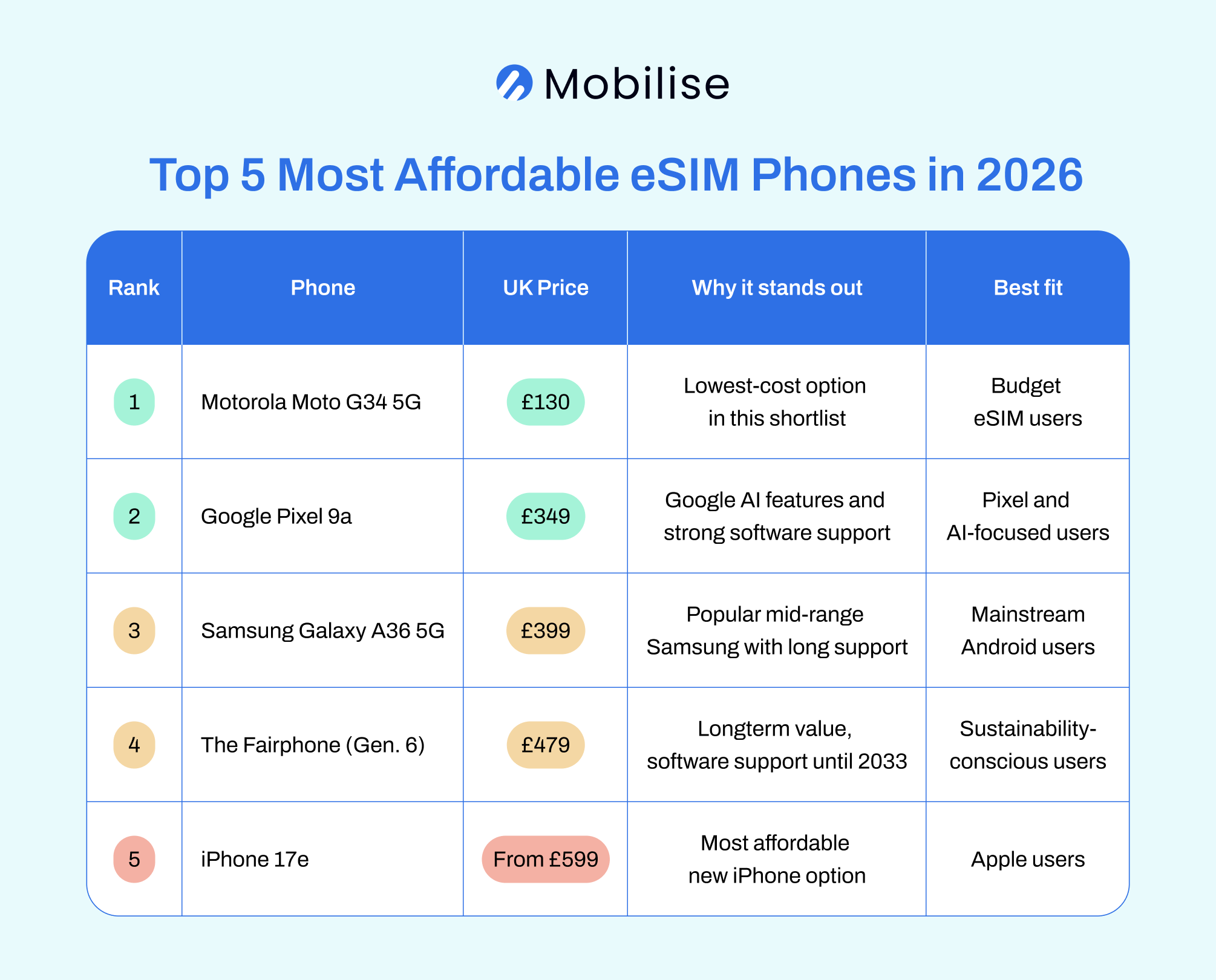
- Our 2026 affordable eSIM phone shortlist includes the Motorola Moto G34 5G, Google Pixel 9a, Samsung Galaxy A36 5G, The Fairphone (Gen. 6) and iPhone 17e.
- The most affordable eSIM phone in this list is the Motorola Moto G34 5G.
What is the Most Affordable eSIM Phone in 2026?
The most affordable eSIM phone in our 2026 shortlist is the Motorola Moto G34 5G, available from around £130 in the UK at the time of writing.
This is a major shift from the early days of consumer eSIM, when eSIM support was usually limited to premium flagship phones from Apple, Samsung and Google. As more mid-range and lower-cost devices add eSIM, the technology is becoming more accessible to everyday users, not just early adopters and frequent travellers.
However, affordability is only one part of the decision. eSIM support can depend on the device model, country, retailer and network provider. Before choosing a phone, users should check that the exact model supports eSIM in their region and with their preferred operator.
Why eSIM Adoption is Accelerating in 2026
For years, consumer eSIM adoption was held back by a combination of low awareness, limited device availability, high smartphone prices and cautious promotion from operators. That’s starting to change.
According to GSMA Intelligence, consumer awareness of eSIM reached 60% in 2025, compared to 25% in 2021. Interest is also rising, especially among travellers, with awareness at 71%, and interest at 70%.
GSMA Intelligence also expects the global smartphone eSIM market to double in 2026, reaching 10% of total smartphone connections. By 2030, eSIM is forecast to reach 55% of global smartphone connections, overtaking the traditional removable SIM.
The US remains ahead of the global average. It’s estimated that eSIM accounted for 40% of smartphone connections in the US in 2025 and will reach 51% in 2026. By 2030, the US figure is forecast to reach 84%.
For mobile operators, MVNOs and digital brands, eSIM is no longer just a roaming add-on or a feature reserved for premium smartphones. It’s becoming a mainstream connectivity technology that can’t be ignored.
Two Major eSIM Milestones from Late 2025
There are two major milestones that are expected to accelerate consumer eSIM adoption.
First, Apple launched the eSIM-only iPhone Air globally in September 2025 and expanded the list of eSIM-only iPhone markets to 12 countries, mainly in North America and the Middle East.
Second, China’s three leading mobile operators launched commercial trials for eSIM smartphone services in October 2025, following regulatory approval.
These developments have reduced two of the biggest barriers to eSIM adoption: device availability and market readiness. When major OEMs and large mobile markets move towards eSIM, operators and service providers have more incentive to promote, support and simplify eSIM activation.
The Operator Opportunity: Adoption Is Growing, But Promotion Is Lagging
By December 2025, 73% of MNOs had launched domestic eSIM services for smartphones. Regional launch rates were particularly high in Europe at 91% and Eurasia at 89%, followed by Asia Pacific at 73%, MENA at 71%, Latin America at 68%, North America at 66% and Sub-Saharan Africa at 59%.
However, the commercial push is still a work in progress. GSMA Intelligence found that only 8% of eSIM-aware consumers discovered eSIM through MNOs.
This gap creates a strong opportunity for operators, MVNOs and digital-first providers. Many consumers are becoming aware of eSIM through device manufacturers, travel eSIM brands, app stores, fintech companies and travel services. Operators that don’t promote eSIM clearly risk losing visibility at the point where customers are learning about and trying the technology.
For service providers, the opportunity lies in making eSIM easy to understand, activate, and manage.
Why Affordable eSIM Phones Matter
Affordable eSIM-compatible smartphones are important because they expand the addressable market.
When eSIM was only available on flagship devices, it was less accessible to price-sensitive consumers. That limited adoption, particularly in markets where mid-range Android devices dominate. In 2026, the market looks different. More mid-range devices now support eSIM, and price points are becoming more inclusive.
This shift matters for three reasons.
First, lower cost eSIM phones help normalise eSIM beyond high-income users and frequent travellers.
Second, more eSIM-compatible devices give operators and MVNOs a larger audience for digital onboarding, instant activation and app-based connectivity journeys.
Third, affordable eSIM phones make travel eSIM, digital SIM swaps and multi-network use cases more accessible to mainstream consumers.
Top Affordable eSIM Phones In 2026
The following list focuses on affordable eSIM-compatible smartphones available or widely visible in the UK market at the time of updating (June 2026). Prices are indicative and may vary by retailer, promotion, storage size and contract type.
5. iPhone 17e – £599
The iPhone 17e is Apple’s affordable entry point into the iPhone family. It replaces the older iPhone SE-style design with a more modern 6.1-inch OLED display and Apple’s A19 chip.
It supports dual-SIM via nano-SIM and eSIM, as well as dual eSIM, depending on the market and operator. For users who want an affordable new iPhone with long-term software support and eSIM capability, the iPhone 17e is the most relevant Apple option in this list.
Best for: users who want a lower-cost new iPhone with eSIM support, Apple Intelligence capability and long-term ecosystem value.
Limitation: It’s still significantly more expensive than many Android eSIM-compatible alternatives.
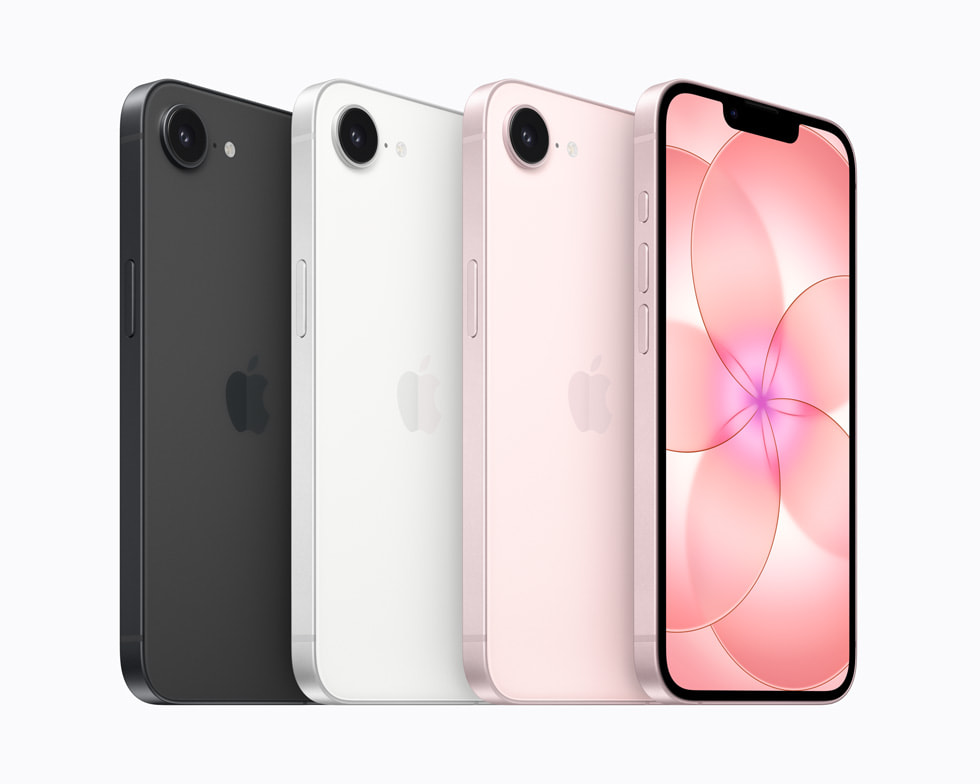 Source: Apple
4. The Fairphone (Gen. 6) – £479
The Fairphone Gen. 6 is a strong option for users who want an eSIM-compatible phone built around longevity, repairability and sustainability.
It supports dual SIM through one physical nano-SIM and one built-in eSIM, with both lines 5G-enabled. It also offers 256GB of internal storage, expandable storage up to 2TB and a modular design that allows users to replace key parts more easily.
Its biggest strength is long-term value. With a 5-year warranty and software support until 2033, the Fairphone Gen. 6 is designed to last longer than a typical smartphone. This makes it a good choice for users who want to reduce electronic waste and avoid upgrading their phone too frequently.
Best for: sustainability-conscious users who want a repairable eSIM phone with long-term software support.
Limitation: It’s more expensive than the most affordable eSIM phones in this list, so it’s better viewed as a long-term value option rather than a budget choice.
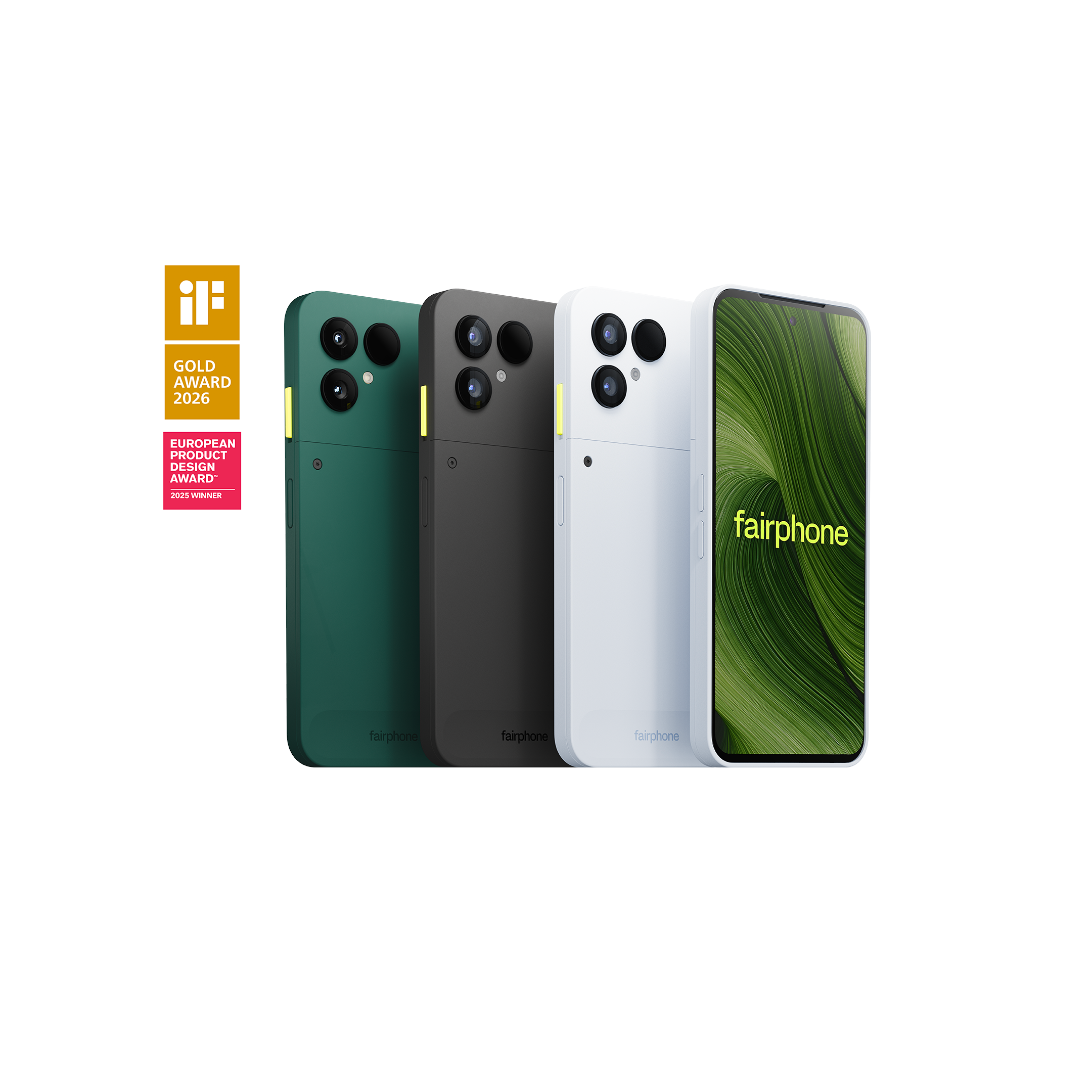 Source: Fairphone
3. Samsung Galaxy A36 5G – £399
The Samsung Galaxy A36 5G is one of the most important affordable eSIM phones in 2026 because it brings eSIM capability into Samsung’s popular A-series range.
It features a 6.7-inch FHD+ Super AMOLED display, 5G support, a 5,000 mAh battery and 45 W fast charging. Samsung also positions the device with long-term value in mind, including six generations of OS upgrades and six years of security updates.
Best for: users who want an affordable Samsung phone with a large display, long software support and eSIM capability.
Limitation: eSIM support can vary by region and retailer, so users should confirm the exact model before buying.
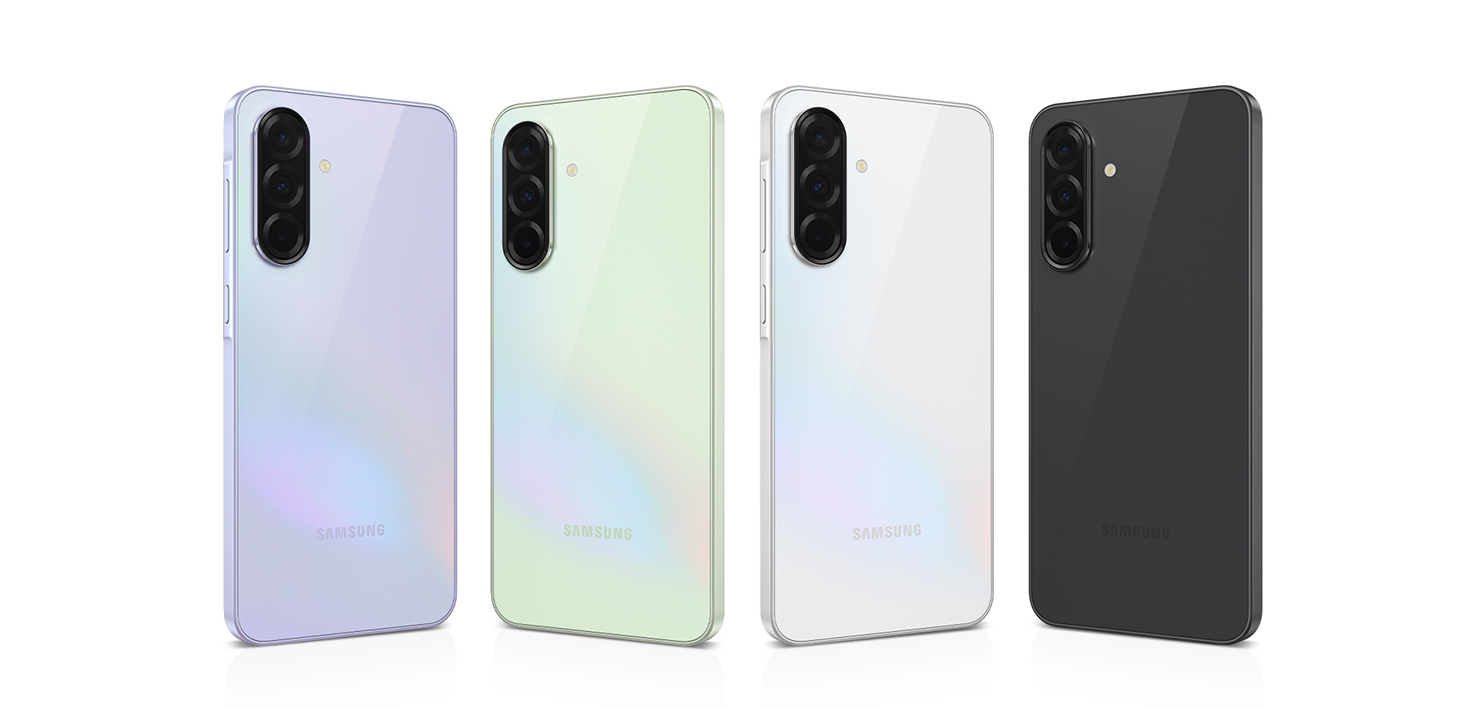 Source: Samsung
2. Google Pixel 9a – £349
The Google Pixel 9a is a strong mid-range Android option for users who want eSIM support, Google’s AI features and a capable camera experience without moving into flagship pricing.
Pixel 9a supports dual-SIM functionality with one physical SIM and one eSIM. When supported by the carrier, it can also use two eSIM profiles simultaneously and connect to two 5G networks in dual-SIM mode.
Best for: Android users who want eSIM, AI features, strong camera software and a clean Google experience.
Limitation: it’s not the cheapest Android option, but it offers strong value for users who prioritise software support and Pixel features.
 Source: Google
1. Motorola Moto G34 5G – £130
The Motorola Moto G34 5G is the most affordable eSIM-compatible smartphone in this 2026 shortlist.
It offers 5G connectivity, a large display, a 50MP camera system and a durable design, including IP68 and IP69 protection on selected variants. The device supports nano-SIM and eSIM, including dual eSIM support.
This makes the Moto G34 5G particularly significant for eSIM adoption. It shows that eSIM is moving into lower-cost smartphone segments, not just premium and upper-mid-range devices.
Best for: price-sensitive users seeking a low-cost 5G phone with eSIM support.
Limitation: as with all Android eSIM devices, buyers should confirm the exact model number, region and operator compatibility.
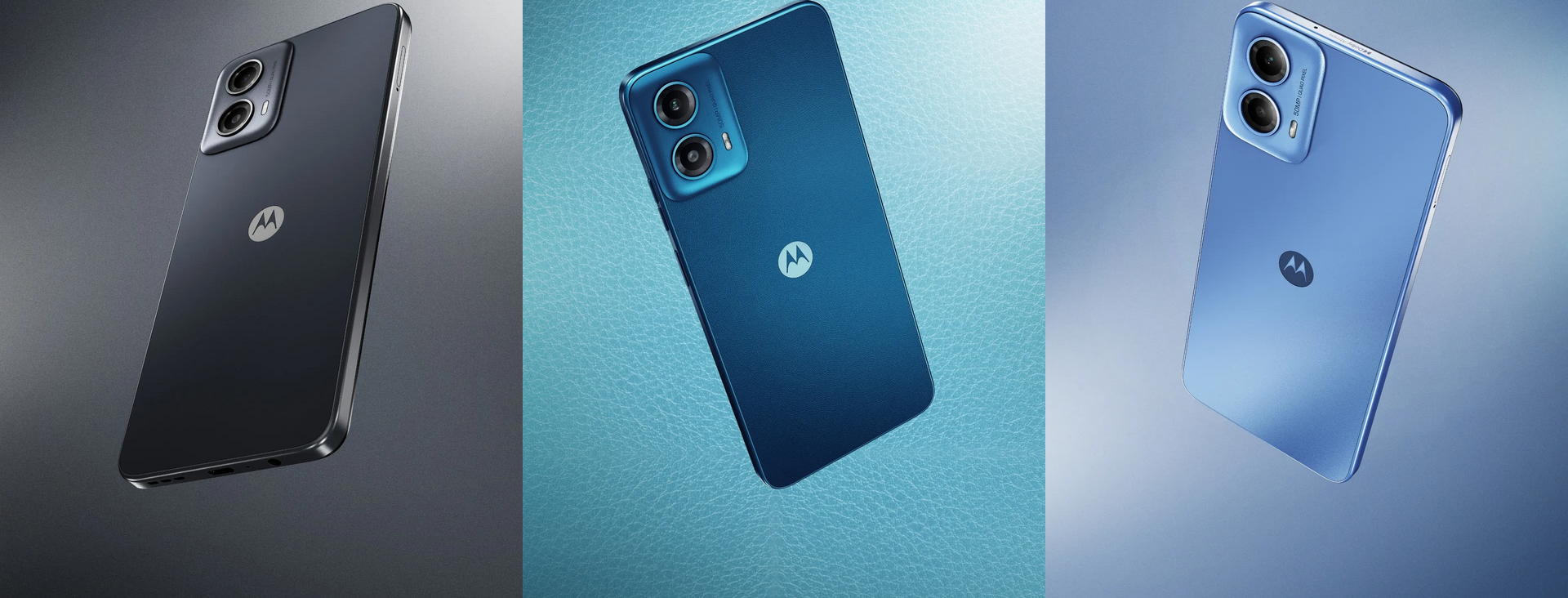 Source: Motorola
Quick Comparison: Most Affordable eSIM Phones in 2026
Honourable Mention: Another eSIM Phone Worth Considering
While the phones above are ranked primarily by affordability, a few other eSIM-compatible smartphones deserve a mention. These devices may not be the cheapest options on the market, but they offer strong long-term value, distinctive features or a more premium mid-range experience.
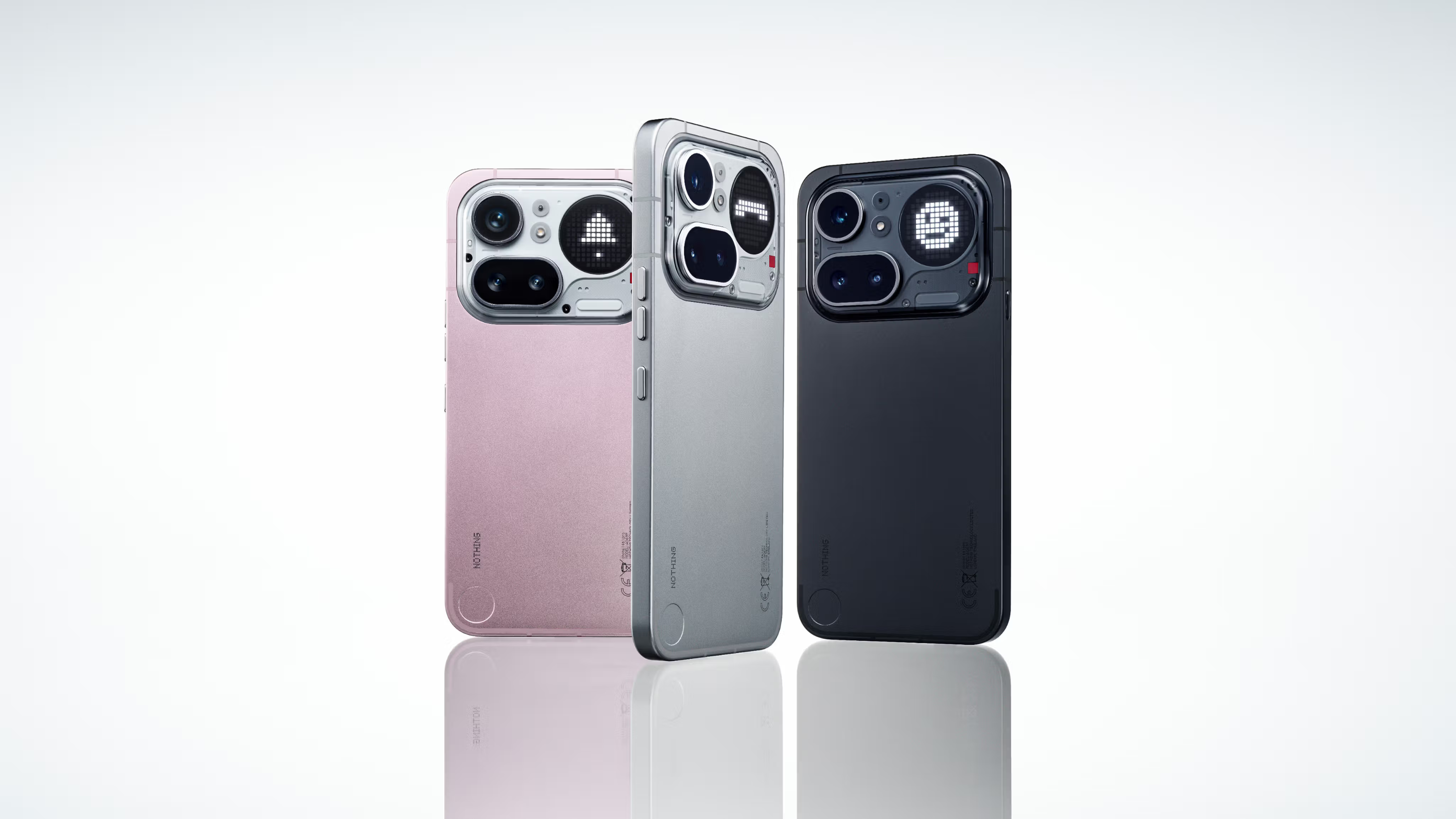
Nothing Phone (4a) Pro – £499
The Nothing Phone (4a) Pro is another strong mid-range eSIM-compatible phone to consider, especially for users who want a more distinctive Android device.
It stands out with Nothing’s signature design, a 3-camera system, a 50MP periscope camera with up to 140x ultra zoom and Nothing OS with Essential AI tools. For users who want a stylish smartphone with more advanced camera features, it offers a more premium feel while staying below flagship pricing.
The Nothing Phone (4a) Pro is a good fit for users who want an eSIM-compatible Android phone that balances design, performance, camera quality and AI-supported software features.
Best for: users who want a stylish mid-range eSIM phone with strong camera features and a distinctive design.
Limitation: As with any eSIM phone, users should also check local operator support before buying.
 Source: Nothing
What This Means For Consumers
For consumers, the rise of affordable eSIM phones means more flexibility.
Users can activate a mobile plan without waiting for a physical SIM card. They can use one line for their main number and another for travel, work or temporary data. They can also switch plans more easily, depending on the device, operator and market.
The travel use case remains particularly strong. GSMA Intelligence found that 12% of travellers use eSIM services when travelling abroad. Around 10% use an eSIM service from operators, including domestic or local operators, travel eSIM or traditional eSIM roaming. Around 4% use services from non-telco global travel eSIM providers such as Airalo, Holafly, Nomad and Ubigi.
Although operator-led eSIM use is currently higher, non-telco travel eSIM growth is faster. GSMA Intelligence reported around 15% year-on-year growth for operator eSIM roaming and around 50% year-on-year growth for non-telco travel eSIM providers.
This shows that consumers are willing to adopt eSIM when the use case is clear, the purchase journey is simple, and the value is easy to understand.
What This Means For Operators and MVNOs
For operators and MVNOs, affordable eSIM devices create a bigger opportunity to digitise the customer journey.
eSIM can support:
- Instant customer onboarding
- Remote SIM provisioning
- Digital-first acquisition
- Faster SIM swaps
- Travel and roaming propositions
- Secondary lines and data-only plans
- Lower fulfilment and logistics costs
- App-based activation and self-care
However, the data shows that availability alone isn’t enough. Many MNOs have launched eSIM services, but consumer discovery of these services remains low.
This means operators and MVNOs need to move beyond simply making eSIM available. They need to promote it, educate customers and integrate eSIM into a smooth digital journey.
Clear customer education is especially important because barriers remain. GSMA Intelligence found that 29% of consumers who are not interested in eSIM say they are happy with the traditional removable SIM, 12% don’t see the benefits, and 11% don’t understand how eSIM works.
These barriers can be addressed with better onboarding flows, clearer messaging, in-app guidance and stronger customer support.
How Operators Can Take Advantage of eSIM Growth
To capture the opportunity, operators and MVNOs should focus on three areas.
1. Make eSIM Easy to Understand
Consumers need clear explanations of what eSIM is, why it matters and how it benefits them. Avoid technical language in consumer journeys and focus on practical benefits such as faster activation, easier travel connectivity and no physical SIM card delivery.
2. Make eSIM Easy to Activate
Activation should be simple, fast and mobile-first. Customers should be able to download, install and manage their eSIM with minimal friction.
3. Make eSIM Part of the Commercial Strategy
eSIM shouldn’t sit quietly in a support page. It should be part of acquisition, retention, roaming, travel, secondary-line and digital brand strategies.
The providers that win won’t be the ones that simply support eSIM. They will be the ones who turn eSIM into a better customer experience.
Conclusion
eSIM has moved far beyond the early adopter phase. In 2026, the market is entering a new stage, driven by wider device availability, growing consumer awareness, stronger travel use cases and increasing operator readiness.
Affordable eSIM phones are a key part of this shift. Devices such as the Motorola Moto G34 5G and Samsung Galaxy A36 5G show that eSIM is becoming accessible to a much wider group of consumers.
For consumers, this means more choice and flexibility. For operators and MVNOs, it means a bigger opportunity to deliver digital-first connectivity experiences.
The challenge now is whether service providers can make eSIM simple, visible and valuable enough for customers to choose it.
For MVNOs and service providers looking to implement eSIM, Mobilise can help. Our eSIM solutions helps providers launch eSIM capabilities faster, reduce operational complexity and deliver a smoother digital customer experience. Contact us today to book a demo!
Frequently Asked Questions
What is the cheapest eSIM phone in 2026?
The cheapest eSIM phone in this 2026 shortlist is the Motorola Moto G34 5G, available from around £130 in the UK at the time of writing. Prices vary by retailer and region, so users should check current availability before buying.
Do all phones support eSIM?
No. Many newer smartphones support eSIM, but support still depends on the manufacturer, model, region and network provider. Users should always check the exact model variant before purchase.
Is eSIM only available on expensive phones?
No. eSIM was initially launched in flagship phones, but it’s now appearing in more affordable mid-range and budget devices, including selected Motorola and Samsung models.
Why is eSIM adoption growing?
eSIM adoption is growing because more devices support it, consumers are more aware of it, travel eSIM usage is increasing and more operators have launched eSIM services for smartphones.
What percentage of smartphone connections will use eSIM in 2026?
GSMA Intelligence forecasts that eSIM will account for 10% of global smartphone connections in 2026, doubling from 5% in 2025.
Will eSIM replace physical SIM cards?
GSMA Intelligence forecasts that eSIM will surpass the traditional removable SIM globally by 2030. However, physical SIM cards will still remain in use in many markets during the transition period.
Why should MVNOs care about affordable eSIM phones?
Affordable eSIM phones expand the potential eSIM user base. This gives MVNOs more opportunity to launch digital-first onboarding, travel connectivity, secondary-line and app-based activation propositions.