










When the news of a Lidl MVNO Launch in the UK was announced, the headlines focused on one thing: low-cost plans.
Which is expected. Lidl has built its entire brand on affordability. And an entrance into the telecoms market seems like a direct response to rising mobile costs, reinforcing its value-driven positioning.
But focusing only on pricing misses the bigger story. Beyond the headlines, the Lidl mobile network proposition signals a broader shift.
This is not just another budget MVNO entering the market. It is a clear signal that the telecom landscape is shifting, and that companies outside the traditional operator ecosystem are increasingly well positioned to compete. Retail MVNO growth in Europe is entering a new phase.
The real story is not about cheaper data. It’s about who owns the customer relationship.
Summary
Lidl’s UK MVNO launch, enabled by 1GLOBAL, exemplifies a new phase of retail-led telecom where the key advantage is customer ownership, not just low prices. Mature MVNE platforms, API-driven infrastructure, and eSIM now let non-telecom brands launch quickly, scale across markets, and embed connectivity into wider retail, fintech, and travel ecosystems. Retailers like Lidl leverage loyalty programs, frequent in-store touchpoints, and brand trust to distribute and bundle mobile services, challenging traditional operators whose visibility and differentiation shrink. With strong demand for value and simplified digital onboarding, retail MVNO growth in Europe is set to accelerate.
A Proven MVNO Model, Powered by the Right Partners
Lidl isn’t entering telecom as a traditional operator. Instead, it’s launching as an MVNO in partnership with 1GLOBAL, allowing Lidl to bypass infrastructure complexity and focus on delivering a simple, scalable offer.
This model enables:
- Fast market entry with minimal upfront investment
- Avoid infrastructure investment and reduce operational complexity
- Multi-market scalability
- A focus on customer experience over network operations
This approach reflects a broader shift. Telecom is no longer limited to telecom companies. It is becoming accessible to any brand with strong customer reach and the right enablement layer.
“Democratising Mobile” Reflects a Bigger Industry Shift
Lidl’s move is framed as part of a mission to “…democratise mobile communications” says Julian Beer, Executive Vice President of Purchasing at Lidl International, in an article by The Independent. “In doing so, we are setting new standards and making affordable mobile communications easier than ever for our customers. By integrating state-of-the-art technology, we can meet the needs of millions of customers for uncomplicated connectivity for their devices.”
While this narrative focuses on affordability, it also points to something more important.
The real shift is not just lower prices. It is the ability for non-traditional players to enter telecom quickly and competitively.
This is being enabled by:
- Mature MVNE platforms
- API-driven telecom infrastructure
- The rapid adoption of eSIM
Together, these factors are redefining how mobile services are launched and delivered.
Why Retail MVNO Growth in Europe Is Accelerating
Retail MVNOs aren’t new. However, previous attempts to enter the telecoms market across Europe often struggled due to operational complexity and limited flexibility.
Lidl’s launch could signal a broader resurgence of retail MVNO growth in Europe. The difference today is that the market conditions have fundamentally changed, and it comes down to timing and technology.
Several key factors are driving this shift:
- Increased consumer demand for low-cost, transparent plans
- The rise of digital-first onboarding
- Widespread eSIM adoption removing physical barriers
- The maturity of MVNE and telecom enablement ecosystems
Across retail MVNO Europe, these shifts are visible in multiple markets.
What was once complex is now modular, making it much easier to break into the market and scale operations.
Lidl’s Real Advantage Is Customer Loyalty
While Lidl’s pricing strategy is attracting attention, its real strength lies elsewhere. Lidl’s extensive retail footprint across Europe gives it a significant distribution advantage.
Lidl already has:
- Millions of weekly customers
- High-frequency in-store interactions
- Strong brand trust around value
- Established customer relationships
This fundamentally changes the go-to-market dynamic.
Lidl doesn’t need to acquire telecom customers in the traditional sense. It already has them. And a lot of them are already signed up to Lidl’s loyalty membership – Lidl Plus.
Telecom becomes an extension of an existing relationship rather than a standalone product.
Telecom Is Becoming Embedded Into Broader Ecosystems
There is a broader strategic shift in the industry. Telecom is increasingly being embedded into larger customer ecosystems rather than sold independently.
This is happening across multiple industries:
- Retail integrating connectivity into loyalty and value propositions, Tesco Mobile and their clubcard offers is a popular and successful example of this
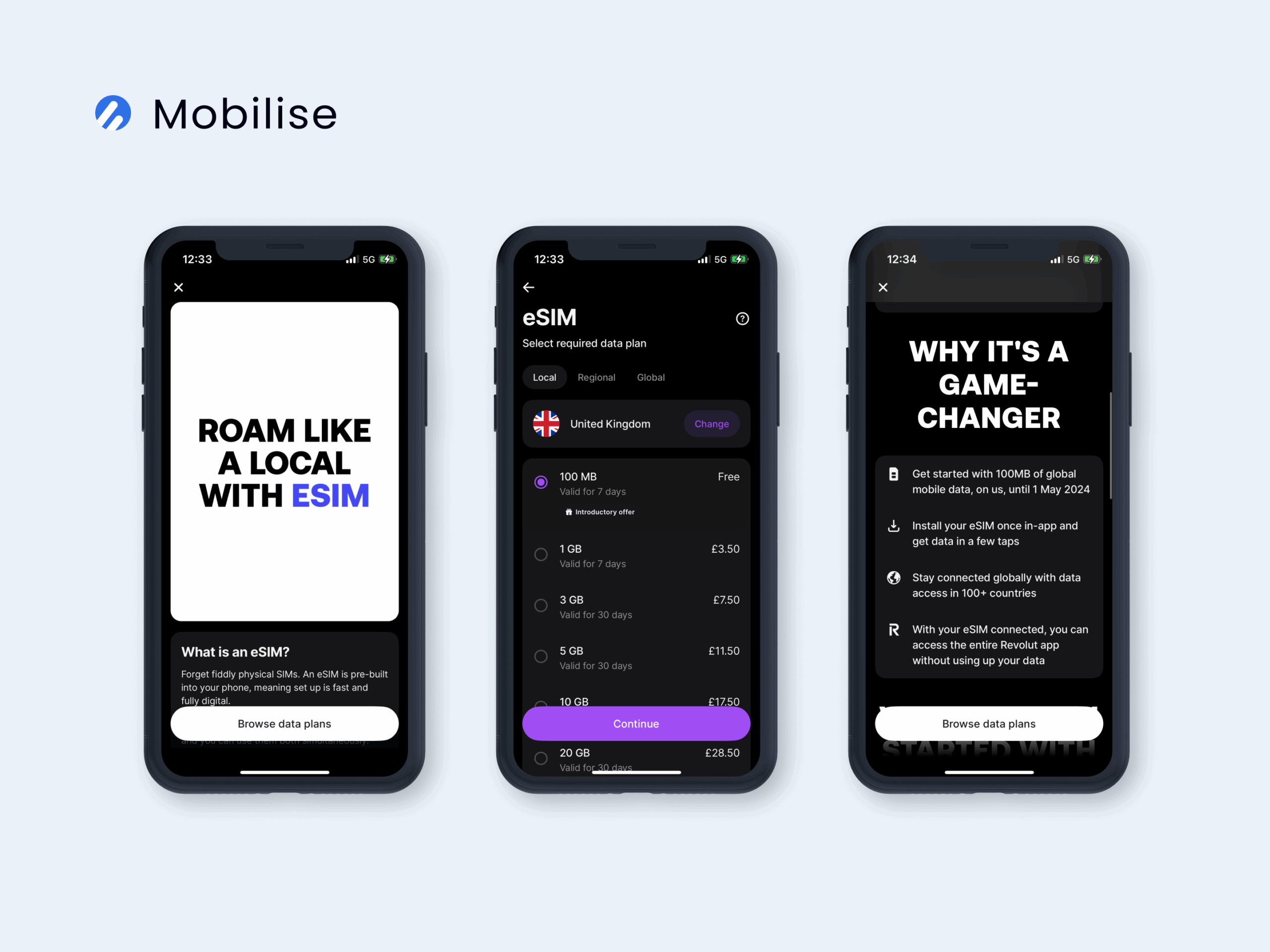
- Travel platforms offering seamless global connectivity
And Lidl fits directly into this trend.
It’s not competing as a traditional telecom operator. It’s enhancing its overall customer offering with connectivity.
What This Means for Traditional Operators
The rise of retail MVNO growth in Europe presents a structural challenge for operators.
The key issue is not just pricing pressure. It is customer ownership.
When connectivity is bundled into a broader experience:
- The operator becomes less visible
- Customer loyalty shifts to the brand ecosystem
- Differentiation based solely on network becomes less impactful
Operators are no longer just competing with each other. They’re competing with any brand that can integrate telecom into its offering.
The Role of MVNE Platforms and eSIM in Enabling This Shift
A Lidl mobile network launch wouldn’t be possible without significant changes in telecom infrastructure and delivery models.
Modern MVNE platform telecom and eSIM technology are key enablers of retail MVNO growth in Europe.
They allow brands to:
- Launch mobile services without owning infrastructure
- Scale across multiple regions with a unified platform
- Integrate telecom into digital products and apps
- Offer instant activation through eSIM
This reduces both technical and operational barriers, making telecom a viable extension for a much wider range of businesses.
It also explains why launches like Lidl’s are becoming more common.
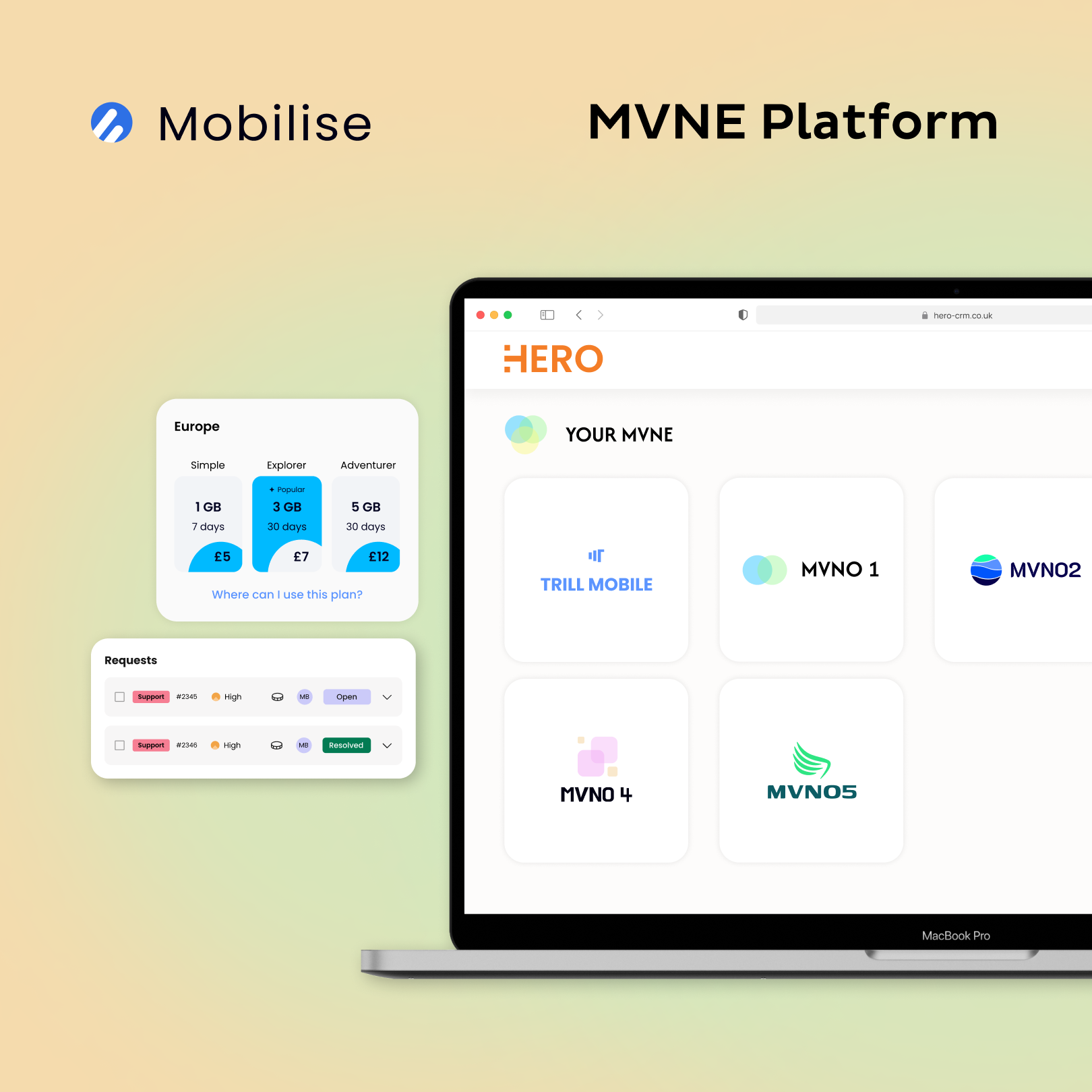
If you’re exploring how to launch your own MVNO or embed connectivity into your offering, discover how HERO® MVNE Platform enables fast, scalable, and fully digital mobile services.
Is Lidl the Start of a Larger Trend?
Lidl’s MVNO launch could signal a new wave of retail-led telecom expansion across Europe.
The conditions are now in place:
- Strong consumer demand for value
- Mature enablement ecosystems
- Reduced complexity in launching services
- Scalable digital distribution through eSIM
Lidl isn’t an isolated case. It’s part of a broader shift that’s gaining momentum.
Final Thought: Who Owns the Customer in Telecom?
Lidl’s MVNO launch is not just about entering a new market.
It’s about redefining who can succeed in telecom.
The companies best positioned for growth are no longer just network operators. They are brands with strong customer relationships and the ability to embed connectivity into a wider experience.
Retail MVNO growth in Europe isn’t just returning.
It’s evolving into something far more scalable, flexible, and competitive than before.
Frequently Asked Questions
What’s the bigger story behind Lidl’s MVNO launch beyond low prices?
The core shift is about customer ownership, not just cheaper data. By launching as an MVNO with 1GLOBAL, Lidl shows how non‑telecom brands can now enter mobile quickly and competitively, leveraging mature MVNE platforms, API‑driven infrastructure, and eSIM. This signals a broader phase of retail-led telecom in Europe where brands with strong customer reach can embed connectivity into their ecosystems and challenge traditional operators.
Why is retail MVNO growth in Europe accelerating now?
Timing and technology have changed the game. Key drivers include:
- Strong consumer demand for low-cost, transparent plans
- Digital-first onboarding becoming the norm
- Widespread eSIM adoption removing physical barriers
- Mature MVNE and telecom enablement ecosystems that reduce complexity What was once complex is now modular, making market entry and scaling much easier.
What unique advantages does Lidl have in distributing mobile services?
Lidl’s strength is its existing customer relationship and reach. It benefits from:
- Millions of weekly shoppers and frequent in-store touchpoints
- High brand trust around value
- An established loyalty base via Lidl Plus This means telecom can be offered as an extension of an existing relationship, rather than acquired through costly, standalone telecom marketing and sales.
How do MVNE platforms and eSIM enable non-telecom brands to launch and scale mobile services?
Modern MVNE platforms and eSIM remove technical and operational barriers by allowing brands to:
- Launch without owning network infrastructure
- Reduce operational complexity and upfront investment
- Scale across multiple regions via a unified platform
- Integrate connectivity into digital products and apps
- Offer instant activation through eSIM These capabilities make telecom a viable add-on for retailers, fintechs, and travel platforms.
What does this shift mean for traditional mobile network operators?
It intensifies competition for customer ownership. When connectivity is bundled into broader brand ecosystems:
- The underlying operator becomes less visible
- Customer loyalty shifts to the retailer/fintech/travel brand
- Network-based differentiation alone carries less weight Operators are no longer just competing with each other, they’re competing with any brand that can embed telecom into its value proposition.