










This year marked a turning point for telecoms. Global 5G connections surpassed 2.6 billion, growing 37% year-on-year and outpacing 4G adoption at the same stage. More than 90 operators launched standalone 5G networks across 42 countries, unlocking advanced capabilities like network slicing. eSIM adoption surged, with over half of smartphones shipping with eSIM capability, enabling instant activation and powering digital-first MVNO launches.
These milestones have reshaped how MVNOs and MVNEs operate, with three key themes defining 2025: Embedded Connectivity, 5G monetisation and cloud-native architectures.
Embedded Connectivity and Monetisation
One of the most significant shifts in 2025 was the rise of Embedded Connectivity: telecoms services integrated into broader digital ecosystems. This trend was led by non-traditional players, particularly fintechs, using MVNO models to deepen engagement and unlock recurring revenue streams as part of a wider superapp creation strategy.
Fintech giants Revolut, N26 and Klarna all entered the telecoms space this year in a bid to build superapps: an all-in-one lifestyle app for their users that integrates messaging, payments, e-commerce and more. Revolut introduced mobile plans with unlimited calls and 20GB of roaming across the EU and US, while N26 rolled out N26 SIM in Germany, offering unlimited calls, free EU/EEA roaming and monthly rolling plans. Klarna followed suit in the US with a $40/month unlimited 5G plan, using telecom to diversify revenue streams.
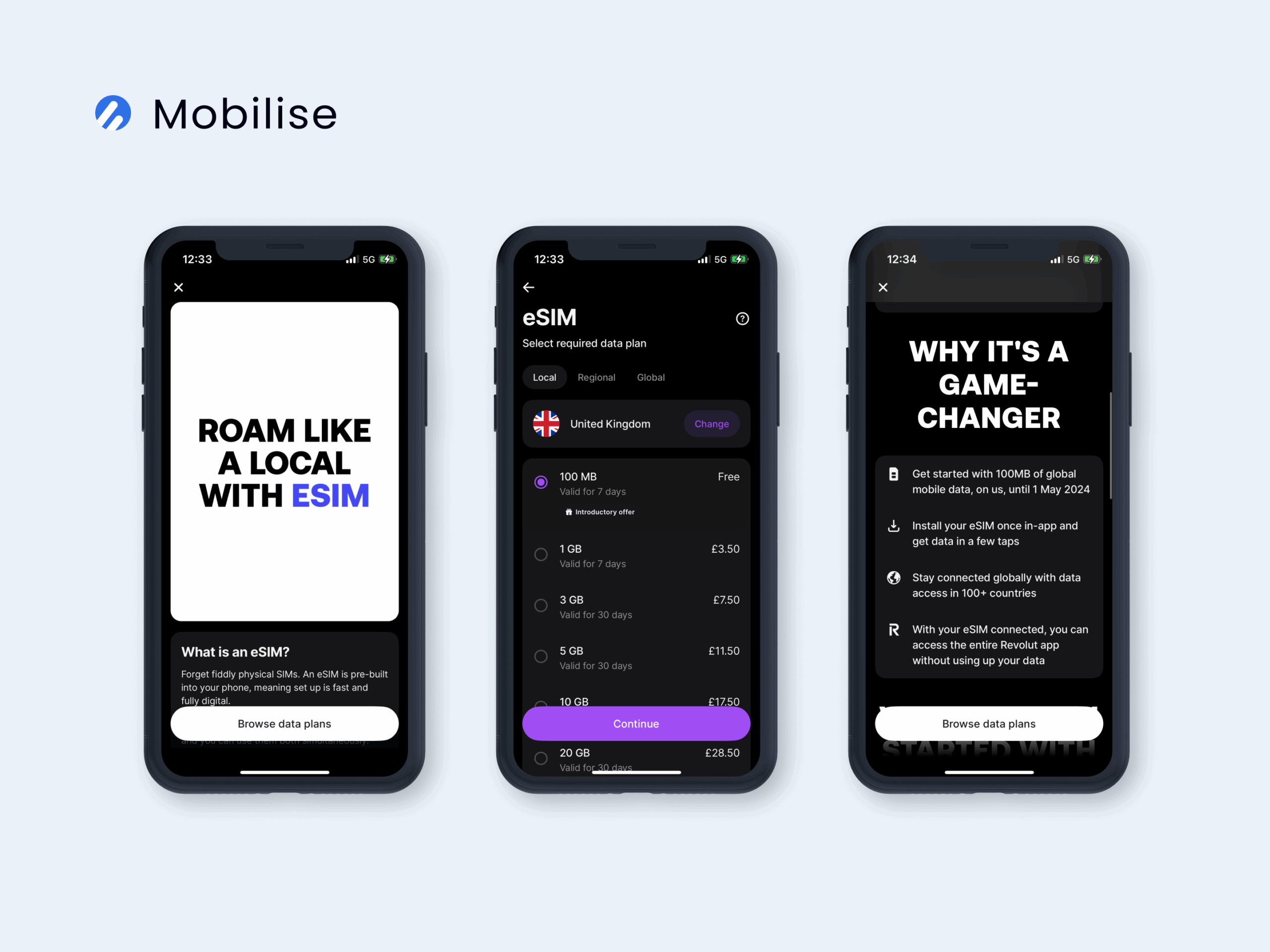
The rationale is clear: mobile connectivity fosters daily engagement, unlike sporadic banking interactions. By embedding telecom services into their apps, vertical sectors unlock new monetisation opportunities and boost customer lifetime value. eSIM technology is the key enabler, delivering instant activation and making connectivity a frictionless part of the digital experience.
5G Monetisation
While 5G consumer adoption accelerated in 2025, and the buzz around 6G is already building, monetisation remains a challenge for operators. However, 2025 has seen some creative ways to convert connectivity into revenue.
Enterprise deployments led the way. In the UK, Vodafone deployed a private 5G network at Harwell Science and Innovation Campus to support quantum computing and advanced manufacturing projects. Similarly, Thames Freeport partnered with Verizon and Nokia to roll out private 5G across major industrial sites, enabling automation and AI-driven logistics. These examples demonstrate how private 5G networks are becoming a cornerstone of enterprise monetisation strategies.
On the consumer side, the VodafoneThree merger is expected to significantly improve 5G coverage, following their unprecedented £11 billion investment to deliver 99 per cent standalone 5G coverage by 2030 and nationwide coverage by 2034, improving Vodafone user experience by 92 per cent and Three UK users by seven per cent.
At the same time, MVNOs are experimenting with AI-driven personalisation for plan recommendations and churn reduction, enabling upselling of premium 5G tiers, roaming bundles, and other add-ons. With ARPU growth largely flat, operators and MVNOs are turning to enterprise IoT, embedded connectivity and API-driven services as the real engines of 5G monetisation.
Cloud-Native Core Networks
The third major trend of 2025 was the migration to cloud-native architectures. Legacy telecom infrastructure, with its rigid systems and manual processes, cannot keep pace with the demands of 5G, IoT and real-time service delivery. Instead of taking months to launch, cloud-native solutions now allow MVNOs to go live in weeks, thanks to API-driven onboarding and automated orchestration. Billing, CRM and eSIM provisioning can all be integrated seamlessly, reducing complexity and accelerating time-to-market.
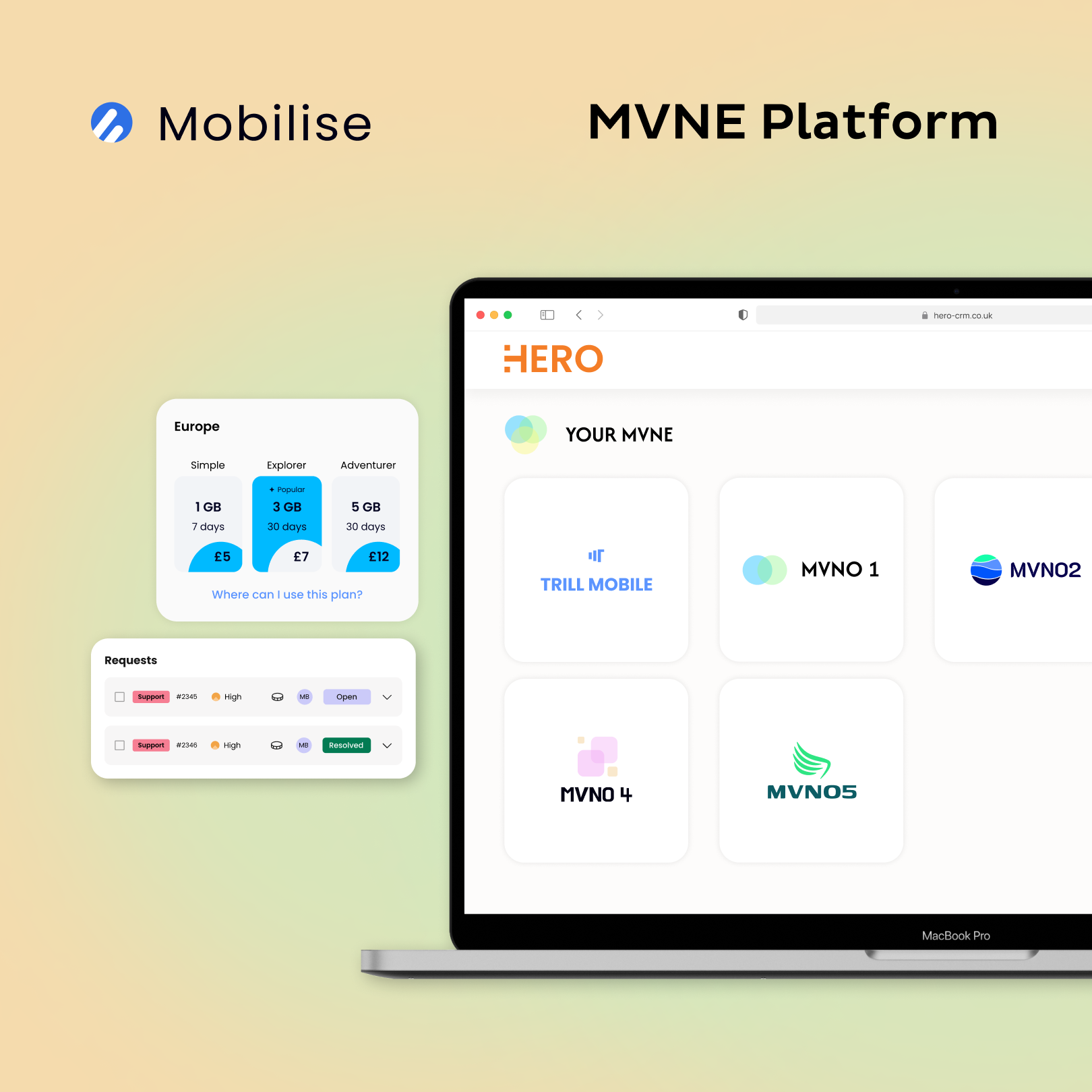
This shift is being powered by platforms like Mobilise’s HERO® MVNE Platform. HERO® is a fully cloud-native MVNE solution designed to give digital MVNOs the agility they need to compete in a digital-first world. It offers multi-tenant support, enabling MVNEs to manage multiple brands from one platform, and includes white-label apps for eSIM and VoIP with instant activation in over 175 countries. HERO® also provides real-time analytics, secure payment integration and AI-driven customer engagement tools, making it a complete ecosystem for launching and scaling MVNO services quickly and efficiently.
For years, the industry has spoken about embedded connectivity, AI-driven customer experiences and cloud-native transformation as future possibilities. In 2025, those possibilities became reality. What were once emerging concepts are now heading towards being mainstream strategies.
As we look ahead to 2026, the challenge is not so much about adoption, but how to create and maintain differentiation. With these technologies now standard, success will depend on how creatively MVNOs and MVNEs leverage them to deliver unique value, deepen partnerships and unlock new revenue streams.